
2026 Agenda
Agenda as of 9.14.2026. Check back often for updates!
Join us for a Pre-Conference Webinar on October 29: Absolute Beginners: The Basics of Higher Education P3s.
Available for college/university registrants only. Add the webinar to your registration today!
Wednesday, Nov 04
-
12:00 pm — 6:30 pm
Check-in and Registration
Harbor Foyer -
1:00 pm — 3:00 pm
San Diego State University - Mission Valley Stadium Tour
Get an on-the-ground look at one of the most ambitious public-private partnership developments in higher education today. The tour begins at Snapdragon Stadium before ascending to the upper deck, which offers a sweeping bird's-eye view of the entire 166-acre site. From this vantage point, attendees will be able to see all the major development areas taking shape, including the Innovation District, future residential and retail spaces, and the 80+ acres of parks and open space along the San Diego River — a real-world model for P3 development in higher education. Transportation will be provided.
The tour is only available for registered attendees. Add the tour to your registration today!
Schedule:
1:00 PM – 1:30 PM: Depart Manchester Grand Hyatt
1:30 PM – 2:30 PM: Guided tour of Snapdragon Stadium and SDSU Mission Valley
2:30 PM - 3:00 PM: Return to Manchester Grand Hyatt -
1:00 pm — 3:00 pm
Workshop
Harbor Ballroom GStay tuned for information about this workshop!
-
3:00 pm — 4:00 pm
Ice Breaker Kick-Off
Harbor Ballroom DEF (Expo Hall)Break the ice, expand your network, and spark new conversations during this engaging networking hour before the Opening Plenary and Welcome Reception.
-
4:00 pm — 4:45 pm
Opening Plenary
Harbor Ballroom ABC -
4:45 pm — 5:30 pm
Plenary Session
Harbor Ballroom ABC -
5:30 pm — 6:30 pm
Welcome Reception
Harbor Ballroom DEF (Expo Hall)
Thursday, Nov 05
-
7:00 am — 5:45 pm
Check-in and Registration
Harbor Foyer -
7:30 am — 8:30 am
Networking Breakfast
Harbor Ballroom DEF (Expo Hall) -
8:30 am — 8:45 am
Opening Remarks
Harbor Ballroom ABC -
8:45 am — 9:30 am
Opening Plenary: State of the Market
Harbor Ballroom ABCJoin this dynamic discussion on the current landscape and future outlook for campus infrastructure and capital investment in higher education. The session will delve into the latest trends, opportunities, and challenges shaping the market, including how institutions are navigating financial constraints, evolving campus needs, and the demand for sustainable, resilient infrastructure. Explore innovative financing structures, partnership models, and strategies that are driving successful project delivery and long-term value creation for colleges and universities.
-
9:30 am — 10:00 am
Networking Break
Harbor Ballroom DEF (Expo Hall)Join us in the Expo Hall to meet industry peers, network with exhibitors, and make meaningful connections.
-
10:00 am — 10:45 am
Building for the Long Game: How Successful On-Campus P3 Housing Partnerships Are Structured, Sustained, and Scaled
Harbor Ballroom ABCThe P3 housing market has matured significantly, yet there is still much to learn about what makes these partnerships successful and sustainable over the long term. Many P3 housing conversations focus on closing the deal. This session will focus on what comes after: the operational frameworks, governance structures, and relationship investments that determine whether a P3 becomes a one-time project or a permanent strategic asset for the university.
This session brings together a panel representing the developer, the program advisor, and the capital markets perspective to examine what it takes to build a P3 housing partnership that compounds value over time. Panelists will address deal structure, shared facilities management, financing evolution, and the institutional trust required to keep expanding the relationship. Attendees will leave with a frank, field-tested account of what worked, what required renegotiation, and how to structure a partnership built to last.
-
10:50 am — 11:35 am
Breakout Session
Harbor Ballroom GCheck back often for updates.
-
10:50 am — 11:35 am
Explore & Exchange Insights: SDSU Mission Valley - Making Progress During Challenging Market Conditions
Harbor Ballroom HIn 2020, San Diego State University purchased the stadium site in San Diego's Mission Valley community, just three miles from its College Area campus. Since then, the university has completed site and infrastructure work, built an expansive river park and the new Snapdragon Stadium. It has also utilized a P3 delivery model to execute agreements with residential and affordable housing developers who have started construction on hundreds of residential units, with more projects in the queue. SDSU leadership will share how the project has continued to progress despite challenging market conditions, what has worked well and where they have had to pivot in order to maintain momentum.
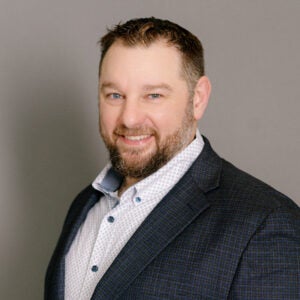
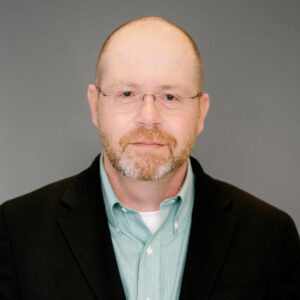
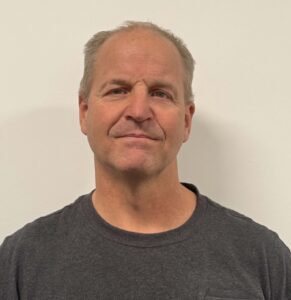
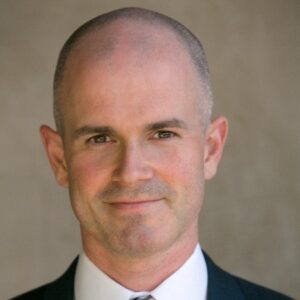 Adam ChristianSenior Director, Government & Public SectorErnst & Young Infrastructure Advisors, LLCModerator
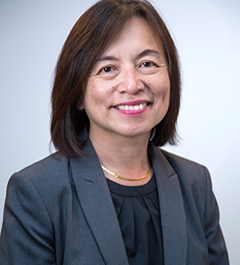 Agnes Wong NickersonVice President for Business and Financial Affairs and Chief Financial OfficerSan Diego State University
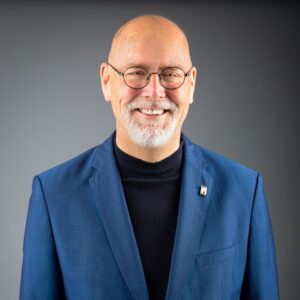 Bob SchulzUniversity ArchitectSan Diego State University
 Gina JacobsAssociate Vice PresidentSan Diego State University
 -
11:40 am — 1:10 pm
P3 Higher Education Awards Luncheon
Harbor Ballroom ABCLearn more and submit your application today: P3 Higher Education Awards
-
1:15 pm — 2:00 pm
The Hidden Asset: Sitting on Significant Untapped Real Estate Value
Harbor Ballroom ABCHigher education institutions are facing mounting financial pressures, constrained debt capacity, and growing deferred maintenance liabilities. Yet many campuses are overlooking one of their greatest strategic resources: their existing real estate and infrastructure portfolio.
This session challenges attendees to rethink physical assets—not simply as operational necessities or cost centers, but as strategic resources that can strengthen institutional resilience. Before pursuing new funding sources or capital projects, institutions should first understand what they own, how each asset performs, what it costs, and how it contributes to the institution's long-term financial and mission objectives.
Featuring perspectives from higher education advisors, private asset managers, banking, and credit rating professionals, this panel will explore practical frameworks for evaluating campus assets, assessing financial and operational performance, understanding impacts on debt capacity and credit, and selecting the right implementation strategy. Whether the answer is improved internal management, targeted reinvestment, an operational partnership, monetization, or another transaction structure, the objective is the same: making informed, strategic decisions based on data rather than defaulting to the status quo.
Attendees will leave with a new framework for viewing campus assets as one of the institution's most powerful—and often most overlooked—strategic tools.
-
1:15 pm — 2:00 pm
The Price of Waiting: Mitigating Deferred Maintenance Risk via P3 Models
Harbor Ballroom GDeferred maintenance is often framed as a budgeting trade-off—but in today’s campus environments, it is increasingly a strategic risk with compounding financial, operational, and reputational consequences. This session explores how prolonged underinvestment in critical campus assets—from parking facilities and central energy plants to student housing and dining infrastructure—can erode value, disrupt operations, and undermine institutions' long-term success.
Using real-world examples, we will examine how deferred maintenance manifests differently across asset classes. In parking systems, aging infrastructure can lead to safety concerns, reduced capacity, and unexpected capital outlays. In energy infrastructure, delayed upgrades to central plants and distribution networks can lead to inefficiencies, increased emissions, and increased resilience risks for institutions. Within student housing and dining, deferred reinvestment can directly impact student satisfaction, occupancy rates, and revenue streams.
Importantly, this discussion will move beyond problem identification to practical solutions. Attendees will explore leading practices for quantifying deferred maintenance risk, integrating lifecycle planning into P3 agreements, and aligning incentives between public and private stakeholders to ensure sustained asset performance.
Whether you are evaluating a potential partnership, managing an existing portfolio, or planning long-term capital investments, this session will provide a clearer understanding of the true cost of waiting—and actionable strategies to address it before it becomes a crisis.
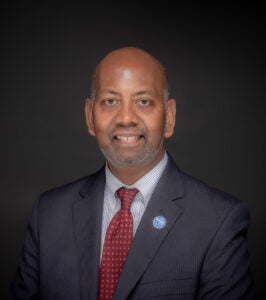
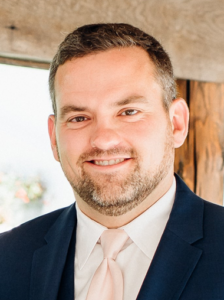 Eric HaggettDirector, Parking & Transportation PracticeBrailsford and DunlavelyModerator
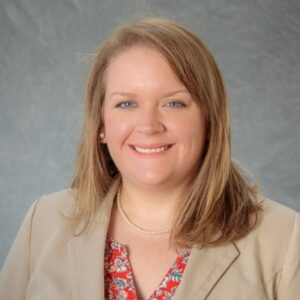 Britney RaglandUtilities P3 Partnerships Executive DirectorUniversity of Kentucky
 Christopher Teed, MBADirector of OperationsDiogenes Capital
 Dr. Melinda Grove, EdDAssociate Vice President of Student Affairs and Chief Housing OfficerThe University of AkronCampus Infrastructure
 -
1:15 pm — 2:00 pm
Innovation Zones: Building University-Anchored Ecosystems Through Public-Private Partnerships
Harbor Ballroom HUniversities have long been engines of research and discovery — but increasingly, they are also becoming anchors for dynamic economic ecosystems that extend well beyond their campuses. Innovation zones represent a powerful evolution in how higher education institutions leverage public-private partnerships to create physical environments where industry, academia, and government converge to accelerate commercialization, workforce development, and regional growth.
This session brings together university leaders to explore how their institutions are designing, developing, and managing innovation zones — and the critical role P3 structures play in making them viable. Whether your institution is exploring its first industry partnership or looking to scale an existing innovation district, this session offers practical insights and peer perspectives on one of the most compelling P3 strategies in higher education today.
-
2:15 pm — 3:00 pm
Communities of Innovation: Pioneering New Strategies to Delivery Dynamic and Integrated Mixed-Use Living, Learning, and Research within the Campus Environment
Harbor Ballroom ABCPublic Private Partnerships have traditionally focused on delivering and funding student housing, amenities, and campus infrastructure with private development partners. In today’s world where capital is more expensive, construction costs are escalating, and colleges, universities, healthcare organizations, and other institutions have multiple priorities for their limited resources, Wexford Science + Technology and GMH Communities are building on their decades of experience as a trusted partner to these institutions and delivering real estate solutions tied to core university objectives like attracting and retaining faculty and student talent, expanding the campus life experience, and building industry collaborations that drive new revenue and innovation opportunities. The Wexford + GMH approach is rooted in trusted partnerships that develop high-performing facilities in dynamic mixed-use communities that attract partners and talent, elevate the campus environment, and drive strategic institutional outcomes. Wexford + GMH bring a diverse real estate, community building, and capital toolkit to develop customized solutions for each partner, including research labs, offices, clinical facilities, housing, and amenities that drive a high quality of life.
This panel will discuss how and why these partnerships have evolved and been successful over time. The panel will draw from specific campus experiences to show how they achieve a broader range of strategic goals than traditional P3 projects, particularly in today’s institutional landscape. And the discussion will highlight a variety of different partnership and capital structures to accomplish the strategic goals.
-
2:15 pm — 3:00 pm
Built to Last: The Power of Long-Term Energy P3s in Higher Education
Harbor Ballroom GCampus energy infrastructure is one of the most complex — and consequential — assets a university manages. As systems age and sustainability goals intensify, more institutions are turning to long-term public-private partnerships to modernize infrastructure, transfer operational risk, and free up capital for their core academic mission. The most effective of these aren't one-time transactions — they're relationships that deepen over time.
This session explores what it takes to build and sustain a productive, decades-long energy P3 — from structuring the initial deal to expanding the partnership as campus needs evolve. When done right, a long-term agreement creates more than budget certainty and operational reliability — it creates a shared stake in the institution's future. As campus priorities shift and infrastructure demands grow, a well-aligned private partner becomes a strategic asset, not just a vendor.
Panelists will share how long-term agreements enable phased investment, support sustainability and decarbonization goals, and evolve alongside the institution — offering lessons for universities at any stage of their P3 journey.
Campus Infrastructure -
2:15 pm — 3:00 pm
Building Together: Aligning University and Municipal Master Planning Through P3 Partnerships
Harbor Ballroom HUniversities and the municipalities that host them are often planning in parallel — and missing the chance to plan together. This panel explores how shared-use facilities, joint financing structures, and coordinated long-range planning can turn campus and community master plans into a single shared vision. Panelists will examine real-world models for co-locating recreation, housing, and civic infrastructure; structuring P3 deals that spread cost and risk across institutional and municipal partners; and aligning campus master plans with city comprehensive plans and zoning. Attendees will leave with practical frameworks for identifying shared goals early and structuring partnerships that deliver value to both campus and community.
Transforming the Campus Footprint -
3:00 pm — 3:15 pm
Networking Break
Harbor Ballroom DEF (Expo Hall)Join us in the Expo Hall to meet industry peers, network with exhibitors, and make meaningful connections.
-
3:15 pm — 4:00 pm
Roundtables
Harbor Ballroom DEF (Expo Hall) -
3:15 pm — 4:00 pm
Table #1: Physical Security in Higher Education - Best Practices in Security Design & Program Lifecycle Management
Harbor Ballroom DEF (Expo Hall)This roundtable discussion will provide insights into leading physical security concepts and trends that are providing best practice security in higher education. This will include use of technologies, people and process.
The discussion will revolve around how security stakeholders navigate prevalent security challenges, what leading solutions are proving to be effective in mitigating risks, and how best practices help develop sustainable security programs across their campuses.
The type of topics and items in discussion will include:
- Campus security technologies, such as access control, video, shooter detection, mass notification, wireless and radio infrastructure
- Best practices in integration of security technologies with Building Management and other infrastructure systems to maintain lifecycle
- How current trends of business intelligence are enhancing security and achieving more outcome based risk mitigation
- Where Physical Security should fall in the P3 process, related to engagement, design and implementation
- How university stakeholders can engage with their security counterparts when developing P3 projects to maintain standards and consistency
-
3:15 pm — 4:00 pm
Table #2: Stakeholder Engagement in Campus Energy Planning
Harbor Ballroom DEF (Expo Hall)Stanley Consultants along with its partners and clients will engage in conversation of this critical process in successful campus energy planning. Discussions will touch upon process and steps, planning scenarios, regional feedback loops and technology impacts.
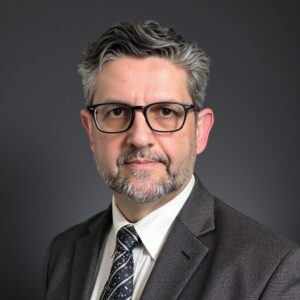 Chris DePodesta, P.E.Energy Growth Leader, Principal AdvisorStanley Consultants
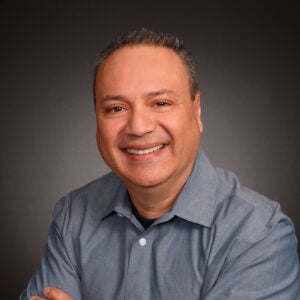 Jesse Cabrera, P.E., P.M.P.Principal Mechanical Engineer & Principal AdvisorStanley Consultants
 -
3:15 pm — 4:00 pm
Table #3: When Risk Moves, Campuses Win - The Hidden Upside of Shifting Performance and Financial Risk for Campus Infrastructure Modernization Projects
Harbor Ballroom DEF (Expo Hall)Higher education institutions bear many different types of risk performance and financial risk tied to campus infrastructure shouldn’t be one of them. Yet, because of the procurement methods commonly used to deliver major projects, in many cases, it is. That often leaves facilities teams carrying a heavy share of responsibility and accountability, ultimately on the hook when systems underperform, costs escalate, or operational issues emerge.
Energy Savings Performance Contracting (ESPC), a type of public-private partnership, offers a different approach that aligns institutional goals with private sector expertise, accountability, and investment. Through ESPCs, higher education institutions partner with Energy Service Companies (ESCOs) to develop, implement, and finance comprehensive infrastructure modernization projects, with guaranteed energy savings helping repay project costs over time.
This session will explore how ESPCs function as a public-private partnership model that shifts key elements of project performance, financial responsibility, and operational risk to experienced private-sector partners. Attendees will gain insight into how colleges and universities are leveraging ESPCs to modernize critical infrastructure, address deferred maintenance, improve campus reliability, and advance long-term capital planning without placing additional burden on institutional budgets.
-
3:15 pm — 4:00 pm
Table #4: Capital Stack, Unpacked - A Working Session on Financing Campus Infrastructure
Harbor Ballroom DEF (Expo Hall)No two campus infrastructure projects are financed the same way, with institutions deploying a wide range of financing tools including tax-exempt and taxable debt, P3 equity and demand-risk structures, state and federal capital programs, tax credits, philanthropic capital, and energy-savings financing. The institutions getting projects built fastest and most economically are the ones that have learned to use this expanding toolkit rather than defaulting to whatever financing vehicle they used last time. For this roundtable practitioners compare notes across the full range of tools available to fund and finance higher education infrastructure and work through how they combine, conflict, and are sequenced on real projects. Participants are encouraged to bring active or upcoming financing challenges to the table and help to set the agenda for this lively discussion.
-
4:00 pm — 4:45 pm
Multi-Institution P3s (Morehouse & Spelman Colleges)
Harbor Ballroom ABCThe panel will examine how institutions can leverage shared market demand to address campus housing and infrastructure needs. Using the recently closed student housing project serving Morehouse and Spelman Colleges as a case study, panelists will explore how aggregating student demand enabled the Colleges to attract private-sector financing off-balance-sheet. The discussion will cover how the team evaluated development models, selected partners, and procured capital in an untested structure. The session will demonstrate how multi-institutional P3s maximize impact, unlock resources, and allow universities to execute ambitious, high-value projects that would be challenging to achieve independently.
Housing -
4:00 pm — 4:45 pm
Breakout Session
Harbor Ballroom GCheck back often for updates.
Campus Infrastructure -
4:00 pm — 4:45 pm
Beyond the End Zone: The Rise of Athletics-Anchored Mixed-Use Districts
Harbor Ballroom HUniversity athletics facilities were once viewed primarily as places to gather on game day. Today, leading institutions are beginning to view them differently—as anchors for year-round destinations that integrate housing, hospitality, retail, entertainment, university uses, and public spaces.
This evolution reflects a broader shift in how universities think about their real estate. As institutions face competing capital demands, housing needs, aging infrastructure, and growing expectations from students and surrounding communities, strategically located university land and facilities are increasingly being viewed as platforms for broader investment and community development.
This forward-looking panel brings together the people who have been in the room on these projects to discuss what is driving the shift, what they have learned, and where the market is heading. Panelists will explore how athletics and other campus assets can anchor mixed-use districts; how residential and student-oriented uses can contribute to a year-round destination; how university, developer, and municipal interests are aligned; and how financing, governance, and public-private partnership structures can help institutions execute ambitious visions without relying solely on their balance sheets.
For universities considering what comes next, the question is no longer simply how to improve the stadium or athletics facility. It is how strategically located campus assets can become catalysts for broader institutional, economic, and community development—and what it will take to bring those opportunities to life.
-
5:00 pm — 6:00 pm
Employee Perspective and Actual Experience of Transitioning from the University to 3rd Party
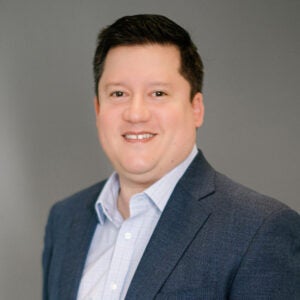
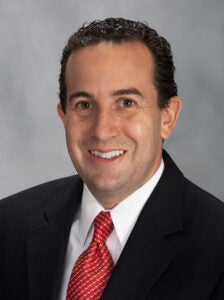
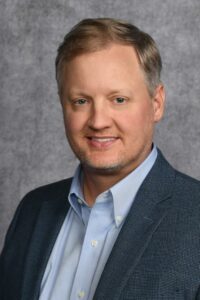
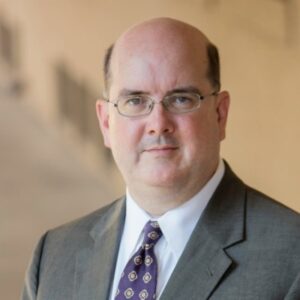
Harbor Ballroom ABCListen to employees’ actual experience transitioning from a university employee to a 3rd party operator and the importance of understanding the unique sensitivities of each employee. Retaining the operations team and ensuring their enthusiasm, interest and excitement is critical to a successful transition. The importance of open communication to university employees is critical to developing trust with the new 3rd party Operator. CenTrio’s VP of Corporate Development will moderate the session to facilitate hearing directly from CenTrio employees that transferred from the University to the 3rd Party Operator. The panel will include CenTrio’s HR Manager to round out the discussion from the 3rd Party Operator’s perspective.
-
6:00 pm — 7:00 pm
Networking Reception
Harbor Ballroom DEF (Expo Hall)






Friday, Nov 06
-
7:00 am — 12:00 pm
Check-in and Registration
Harbor Foyer -
7:45 am — 8:45 am
Networking Breakfast
Harbor Ballroom DEF (Expo Hall) -
8:45 am — 9:40 am
Opening Plenary
Harbor Ballroom ABC -
9:40 am — 10:00 am
Fireside Chat with Dr. Samuel Sudhakar, Vice President & Chief Financial Officer, California State University, San Bernardino
Harbor Ballroom ABC -
10:00 am — 10:30 am
Networking Break
Harbor Ballroom DEF (Expo Hall)Join us in the Expo Hall to meet industry peers, network with exhibitors, and make meaningful connections.
-
10:30 am — 11:00 am
View from the "U"
Harbor Ballroom ABCStay tuned for exciting updates!
-
11:00 am — 11:20 am
Fireside Chat
Harbor Ballroom ABCStay tuned for exciting updates!
-
11:30 am — 12:15 pm
Closing Plenary
Harbor Ballroom ABC -
12:15 pm
Conference Ends and Exhibitor Breakdown
Introducing: Breakout Session Tracks
At the P3 Higher Education Summit, we believe every attendee’s journey is unique. That’s why our breakout sessions are organized into three focused tracks this year—each designed to help you make the right connections and gain practical insights as you move your projects from concept to execution.
Track 1: Housing
Student housing, workforce housing, student life infrastructure
Track 2: Campus Infrastructure
Energy, utilities, decarbonization, renovations, operations & maintenance, parking
Track 3: Transforming the Campus Footprint
Academic facilities, stadiums and recreation, campus edge development, town-gown partnerships, bundled delivery, and multi-asset developments
While the tracks serve as a helpful guide, we encourage you to explore freely across all sessions to maximize your opportunities and outcomes.
STAY INFORMED | LEARN MORE
Stay up-to-date on industry news, event information, and latest program developments.